Introduction
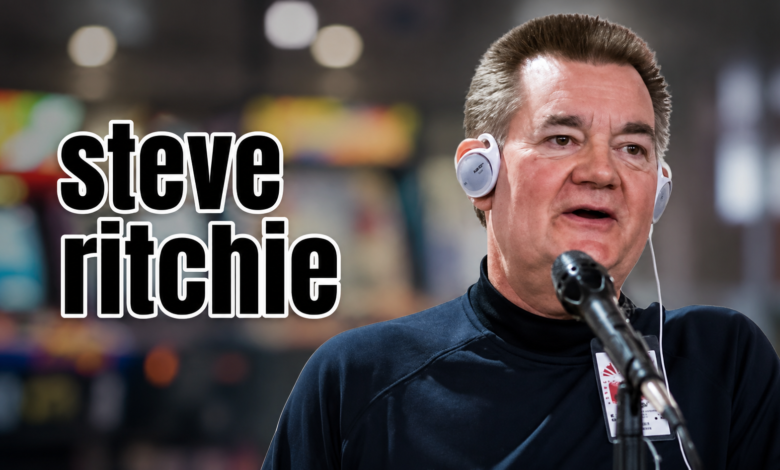
Steve Ritchie is an American pinball designer, video game producer, and voice actor who has made a lasting contribution to the gaming industry. Best known as the “Master of Flow,” he earned this nickname because of his ability to create fast, smooth, and exciting pinball layouts. His machines are recognised for long ramps, powerful shots, quick ball movement, engaging sound effects, and highly memorable themes.
His professional journey was not always simple or predictable. He began his career in an entry-level technical position and experienced changes in companies, technology, and market demand. However, these challenges did not prevent him from becoming one of the most respected designers in pinball history. His work with Atari, Williams Electronics, Stern Pinball, and Jersey Jack Pinball helped shape several generations of arcade entertainment.
Steve Ritchie Quick Bio
| Category | Details |
|---|---|
| Full Name | Steven Scott Ritchie |
| Popular Name | Steve Ritchie |
| Date of Birth | February 13, 1950 |
| Age | 76 years old as of 2026 |
| Birthplace | San Francisco, California, United States |
| Nationality | American |
| Profession | Pinball designer, video game producer and voice actor |
| Career Start | 1974 |
| First Employer | Atari Inc. |
| Famous Nickname | The Master of Flow |
| Brother | Mark Ritchie |
| Known For | Black Knight, Firepower, High Speed, AC/DC and Star Trek |
| Current Industry Association | Jersey Jack Pinball |
Steve Ritchie’s Early Life
Steve Ritchie was born on February 13, 1950, in San Francisco, California. When he was five years old, his family moved to Pacifica, California. His interest in pinball reportedly began during childhood when he spent time at a bowling alley while his parents participated in bowling league activities. The machines attracted his attention and later became an important part of his professional life.
Ritchie completed high school early and joined the United States Coast Guard before turning 18. During his military service, he received training as an electronics technician. He served in locations that included Vietnam, California, and Alaska. His technical background gave him valuable knowledge of electronics and mechanical systems, which later supported his transition into arcade and pinball development.
Education and Technical Training
Steve Ritchie’s publicly documented education mainly includes his early completion of high school and technical training in the United States Coast Guard. No confirmed public record identifies a college degree. However, his military electronics training provided practical experience that became directly relevant to the rapidly developing gaming industry of the 1970s.
After completing his Coast Guard service, Ritchie worked in different jobs and also performed in a band. These experiences came before his entrance into professional game development. His combination of technical ability, musical awareness, mechanical understanding, and natural creativity eventually helped him produce machines with distinctive layouts, sound effects, voices, and gameplay rhythms.
How Steve Ritchie Started His Career
Steve Ritchie began his professional gaming career at Atari Inc. in 1974. He initially worked as an electro-mechanical technician on the company’s assembly line. Atari was becoming an important force in the emerging electronic entertainment industry, giving Ritchie an opportunity to learn about game manufacturing, testing, mechanical systems, and production processes.
He later moved into Atari’s pinball division and designed Airborne Avenger, released in 1977. He also contributed development work to the Superman pinball project. These early assignments established his reputation as a capable designer and prepared him for a major career move to Williams Electronics, where he created many of his most influential machines.
Career at Williams Electronics
Steve Ritchie joined Williams Electronics in 1978. One of his early Williams designs was Flash, a machine that demonstrated his preference for fast, energetic gameplay. He later designed Firepower, which became important for its multiball features, electronic sound, and player-focused design. These machines helped establish the design principles that would define much of his career.
His Williams portfolio also included Black Knight, High Speed, F-14 Tomcat, Black Knight 2000, Rollergames, Terminator 2: Judgment Day, The Getaway: High Speed II, Star Trek: The Next Generation, and No Fear: Dangerous Sports. Through these projects, he developed a reputation for creating games that encouraged players to shoot accurately, maintain momentum, and experience continuous action.
The Master of Flow
The nickname “Master of Flow” refers to Steve Ritchie’s distinctive approach to pinball design. His playfields frequently guide the ball through ramps, loops, lanes, and repeatable shots without unnecessarily interrupting gameplay. This design style creates a sense of speed and rhythm that keeps players involved and encourages them to improve their skills.
His machines are often associated with long shots, powerful launches, dramatic themes, multiball modes, clear objectives, and energetic audio. While not every player prefers the same type of pinball layout, Ritchie’s style has remained influential because it makes games accessible to new players while still offering depth and challenge to experienced competitors.
Work in Video Games and Voice Acting
After his major period at Williams, Steve Ritchie returned to Atari Games as a senior staff producer. He worked on California Speed, an arcade racing game released during the late 1990s. The project allowed him to apply his knowledge of speed, player engagement, sound, and visual excitement to a different category of electronic entertainment.
Ritchie also became known for voice acting. He provided the original voice of Shao Kahn in several classic Mortal Kombat games, including Mortal Kombat II, Mortal Kombat 3, Ultimate Mortal Kombat 3, and Mortal Kombat Trilogy. His deep and commanding voice became closely connected with the character and added another memorable achievement to his career.
Steve Ritchie Productions
Steve Ritchie established Steve Ritchie Productions to support his independent work in game development. Through the business, he participated in arcade and redemption game projects while also continuing his involvement in pinball design. The venture allowed him to use his experience beyond the structure of a single large manufacturer.
His business activities were based primarily on game creation, production, design, technical development, and industry collaboration. Publicly verified information does not disclose the company’s private financial performance. Therefore, claims about its revenue, profits, or commercial value should not be presented as confirmed facts.
Career at Stern Pinball
Steve Ritchie later developed a successful working relationship with Stern Pinball. His designs for the company included Terminator 3, Elvis, World Poker Tour, Spider-Man, 24, AC/DC, Star Trek, Game of Thrones, Star Wars, Black Knight: Sword of Rage, and Led Zeppelin.
These games showed that Ritchie could adapt his classic design principles to modern licensed themes. Music, television, cinema, fantasy, and science-fiction properties were combined with fast gameplay, ramps, loops, multiball sequences, lighting, speech, and digital technology. His Stern period introduced his work to a new generation of players and collectors.
Joining Jersey Jack Pinball
In 2021, Steve Ritchie joined Jersey Jack Pinball as a game designer. The move represented another important stage in a career that had already covered several decades. Jersey Jack Pinball is known for producing modern machines with detailed artwork, advanced displays, complex rules, strong audio systems, and premium physical features.
Ritchie’s first major design for the company was Elton John, released in 2023. The game combined the music and performance history of Elton John with Ritchie’s recognisable fast-flowing design style. It demonstrated that his approach could remain relevant while being integrated with modern pinball technology and presentation.
Steve Ritchie’s Source of Income
Steve Ritchie’s confirmed professional income sources are connected to pinball design, video game production, game development, voice acting, technical work, and his activities through Steve Ritchie Productions. He has worked with some of the most recognised companies in the pinball and arcade industries.
His exact salary, royalties, personal investments, and net worth have not been reliably disclosed. As a result, numerical claims about his wealth should be treated as speculation rather than fact. His professional success is better measured through the longevity of his career, the popularity of his machines, and his influence on game design.
Major Companies Associated with Steve Ritchie
Steve Ritchie has been professionally associated with Atari Inc., Williams Electronics, Atari Games, Stern Pinball, Jersey Jack Pinball, and Steve Ritchie Productions. Each organisation represents a different stage of his development as a technician, designer, producer, business owner, and industry veteran.
His ability to work successfully across different companies reflects his adaptability. Pinball changed significantly from the mechanical and early electronic machines of the 1970s to the advanced multimedia systems of the modern era. Ritchie continued to design games throughout these technological changes without abandoning his core focus on speed and enjoyable gameplay.
Steve Ritchie’s Legacy
Steve Ritchie’s legacy is built on innovation, consistency, technical skill, and an understanding of what makes physical games exciting. Machines such as Firepower, Black Knight, High Speed, Terminator 2, AC/DC, Star Trek, and Elton John represent different periods of pinball development while carrying elements of his signature style.
He also helped expand the identity of pinball designers from behind-the-scenes technicians into recognised creative professionals. His work influenced later designers, collectors, competitive players, arcade operators, and enthusiasts. Although the pinball industry has faced difficult commercial periods, Ritchie’s machines have helped maintain interest in the format.
Conclusion
Steve Ritchie is one of the most important creative figures in the history of pinball. Beginning as a technician at Atari, he developed the knowledge and experience needed to become a leading designer. His work at Williams, Stern, and Jersey Jack Pinball produced machines that remain admired for their speed, smoothness, memorable themes, and exciting gameplay.
His career also extended into video game production, voice acting, and independent business activity. While private details about his finances and family life remain undisclosed, his professional accomplishments are well documented. Steve Ritchie’s lasting influence proves that strong design, technical understanding, and creative passion can remain relevant across generations.
Frequently Asked Questions
Who is Steve Ritchie?
Steve Ritchie is an American pinball designer, video game producer, and voice actor. He is widely known as the “Master of Flow” because of his fast and smooth pinball layouts.
What is Steve Ritchie’s real name?
His full name is Steven Scott Ritchie.
When was Steve Ritchie born?
He was born on February 13, 1950, in San Francisco, California.
How old is Steve Ritchie?
Steve Ritchie is 76 years old as of 2026.
What are Steve Ritchie’s most famous pinball machines?
His best-known machines include Firepower, Black Knight, High Speed, Terminator 2, Star Trek: The Next Generation, AC/DC, Star Wars, and Elton John.
Did Steve Ritchie voice Shao Kahn?
Yes. He provided the original voice of Shao Kahn in several classic Mortal Kombat games.
What is Steve Ritchie’s net worth?
His net worth has not been confirmed by a reliable public source.
Which company does Steve Ritchie work with?
He joined Jersey Jack Pinball in 2021 and designed the Elton John pinball machine released in 2023.
Does Steve Ritchie have a brother?
Yes. His brother, Mark Ritchie, is also known for working as a pinball designer.
Why is Steve Ritchie called the Master of Flow?
He received the nickname because his machines feature fast ball movement, smooth loops, long ramps, repeatable shots, and continuous gameplay.