Introduction
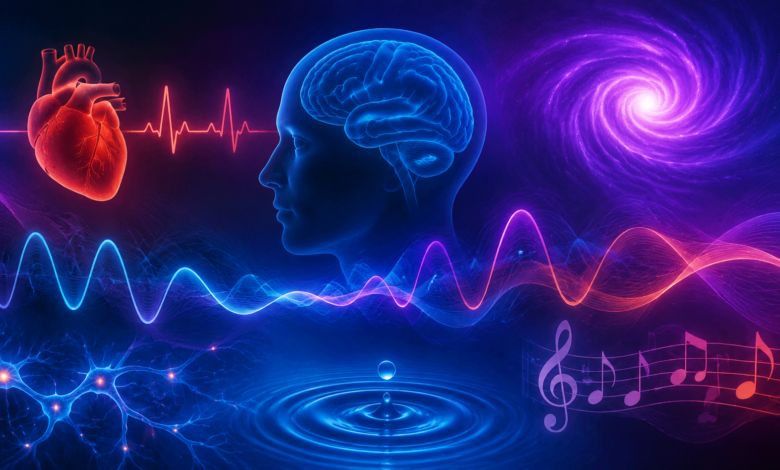
The concept of pulsamento is gaining attention across creative, scientific, and educational fields because it describes one of the most fundamental patterns in life: rhythm. In simple terms, pulsamento refers to a repeated, continuous pulse or movement that creates structure and flow in different systems. This idea is closely linked with heartbeat patterns, musical rhythm, natural cycles, and even digital signals.
Today, pulsamento is used as a broad concept to explain how repeating patterns help maintain balance and order in both natural and human-made systems. From biology to music and technology, pulsamento plays an important role in shaping how things move, function, and connect.
What Is Pulsamento?
Pulsamento can be described as a steady rhythmic pattern that repeats over time. It is not just a single pulse but a continuous flow of pulses that create consistency and movement. This makes pulsamento an essential concept for understanding cycles and repetition in various systems.
In simple language, pulsamento is what creates rhythm in life. Whether it is the beating of the heart, the rhythm of breathing, or the beat of a song, pulsamento represents that ongoing structure that keeps everything in motion.
Origin and Meaning of Pulsamento
The word pulsamento comes from the Latin root pulsare, which means “to beat” or “to strike.” This root is also related to words like pulse and pulsation. In several languages such as Italian and Portuguese, pulsamento is used to describe rhythmic movement or vibration.
Over time, the meaning of pulsamento has expanded beyond physical motion. Today, it can describe emotional flow, artistic rhythm, natural cycles, and even digital patterns. The idea remains the same: pulsamento represents continuous, repeating energy that forms structure.
Key Features of Pulsamento
One of the most important features of pulsamento is repetition. Unlike random movement, pulsamento follows a consistent and predictable pattern. This helps create stability in systems where rhythm is important.
Another feature of pulsamento is continuity. It does not exist as a single moment but as an ongoing process. This continuous nature makes pulsamento useful in understanding both natural and artificial systems.
A third feature of pulsamento is balance. Because pulsamento is rhythmic, it helps maintain harmony in biological, musical, and technological environments.
Pulsamento in Human Biology
In the human body, pulsamento is clearly visible in the heartbeat. The heart contracts and relaxes in a rhythmic cycle that ensures blood circulation. This is one of the most important examples of pulsamento in living systems.
Breathing is another form of pulsamento, where air flows in and out in a steady rhythm. Even brain activity and sleep cycles follow rhythmic patterns. These biological rhythms show how deeply pulsamento is connected to human survival and health.
Without pulsamento, the body would lose its natural balance and functioning.
Pulsamento in Music
Music is one of the strongest expressions of pulsamento. Every song is built on rhythm, and that rhythm is created through repeating beats. This musical pulse is what allows listeners to feel timing and flow.
In pulsamento, music becomes organized and structured. Without it, music would lose its harmony and become chaotic. The steady beat in any composition is a direct example of pulsamento guiding sound and timing.
Musicians rely on pulsamento to stay in sync, create rhythm, and express emotion through sound.
Pulsamento in Guitar and Musical Practice
In guitar techniques, pulsamento is also used to describe controlled plucking and rhythmic precision. This method allows musicians to produce clear and accurate notes.
When guitarists apply pulsamento, they focus on timing and consistency. This improves performance quality and helps create expressive musical phrases. Classical and flamenco styles especially depend on pulsamento for rhythm control.
Pulsamento in Nature
Nature is full of pulsamento patterns. Ocean waves rise and fall repeatedly, seasons change in cycles, and animal behaviors often follow rhythmic timing.
Even the movement of planets and stars reflects pulsamento, as they follow predictable orbital cycles. These natural rhythms show how pulsamento is deeply embedded in the environment.
Nature uses pulsamento to maintain balance and sustainability in ecosystems.
Pulsamento in Technology
Modern technology also depends on pulsamento. Digital systems work through repeating signals and timed pulses. Computers, communication systems, and electronic devices all rely on rhythmic data flow.
Engineers use pulsamento to manage signal timing, wave patterns, and data transmission. Without pulsamento, digital systems would not function accurately or efficiently.
Psychological and Emotional Effects of Pulsamento
Humans naturally respond to rhythm, which is why pulsamento has a strong psychological impact. Repetitive patterns can create feelings of calmness, focus, and relaxation.
Activities like listening to music, meditation, and breathing exercises use pulsamento to improve mental well-being. These rhythmic patterns help reduce stress and increase concentration.
Because of this, pulsamento is often linked with emotional balance and mindfulness.
Why Pulsamento Is Becoming More Popular
The popularity of pulsamento is increasing because people are becoming more aware of rhythm in daily life. In wellness practices, pulsamento is used to improve mental and physical health.
In technology, pulsamento helps explain how digital systems operate. In creative fields, it supports music, design, and movement.
This wide range of applications makes pulsamento a valuable concept across many disciplines.
Practical Uses of Pulsamento
Pulsamento has many practical applications:
- In healthcare, it helps understand heart rhythms and body cycles
- In music, it forms the base of rhythm and composition
- In technology, it supports signal processing and communication systems
- In arts and design, it helps create visual and motion patterns
These uses show how pulsamento connects science, creativity, and human experience.
Future of Pulsamento
The future of pulsamento looks promising as more fields begin to explore rhythm-based systems. Scientists, artists, and technologists are all studying how pulsamento influences behavior, systems, and environments.
As research continues, pulsamento may become an even more important concept in understanding how the world functions through rhythm and repetition.
Conclusion
In conclusion, pulsamento is a powerful concept that explains the role of rhythm in life, nature, music, and technology. It represents continuous movement, repetition, and structure that keeps systems stable and functional.
From the heartbeat to digital signals, pulsamento is present everywhere. Understanding pulsamento helps us appreciate how rhythm shapes both the natural and modern world.
FAQs
1. What does pulsamento mean?
Pulsamento means a continuous rhythmic pulse or repeated movement that creates structure and flow.
2. Where is pulsamento found?
It is found in biology, music, nature, technology, and many creative systems.
3. Is pulsamento related to music?
Yes, pulsamento is strongly connected to music as it forms the basic rhythm or beat.
4. Why is pulsamento important?
It is important because it helps maintain balance, structure, and rhythm in different systems.
5. Can pulsamento affect human emotions?
Yes, rhythmic patterns of pulsamento can improve focus, reduce stress, and create calmness.